
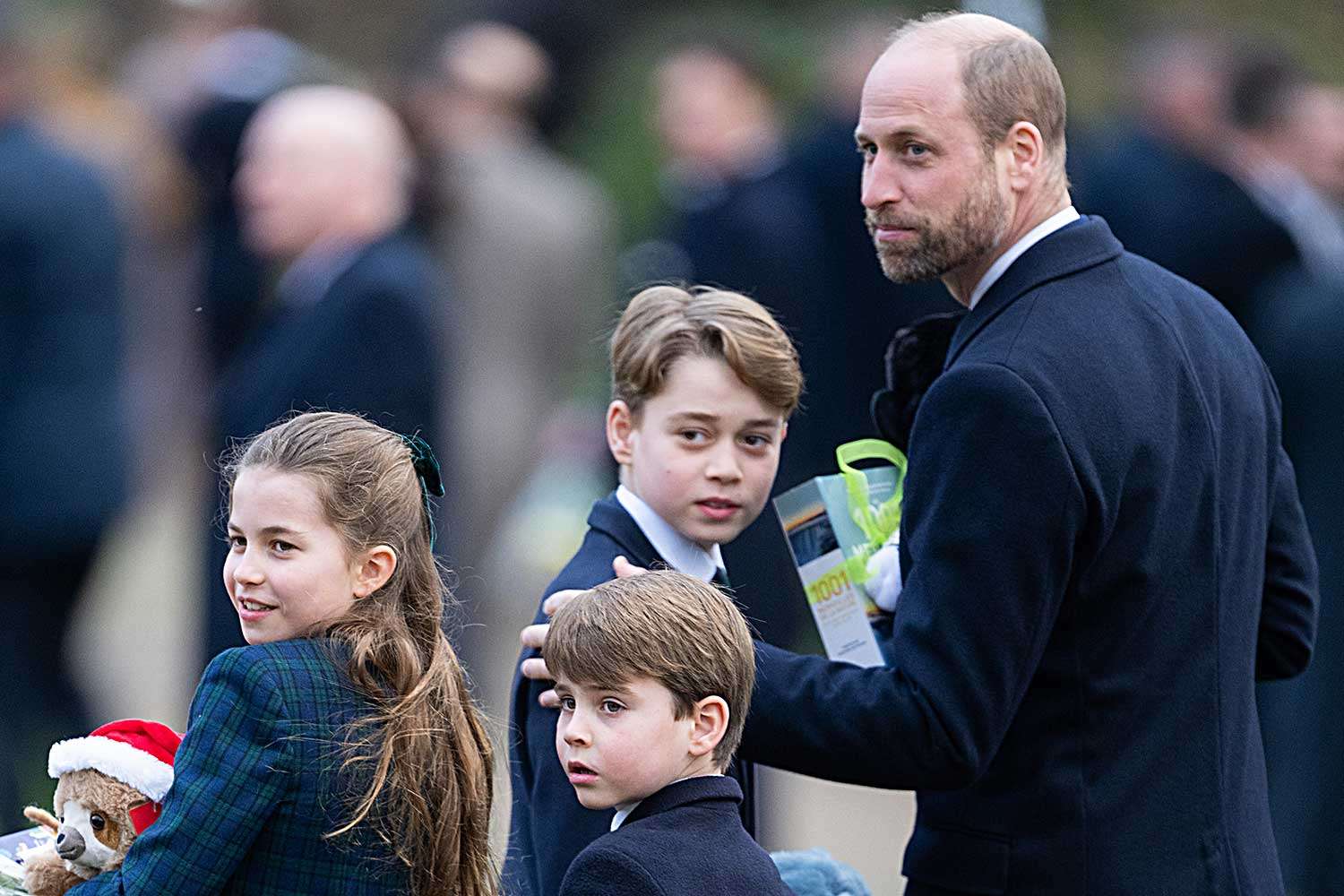
Managing the future of a monarchy means managing the visibility and development of its youngest members, and Prince William faces a unique set of constraints that blend tradition, security, and modern parenting philosophy. His three children—Prince George, Princess Charlotte, and Prince Louis—are under constant observation, and recent reports suggest William is navigating decisions about privilege, access, and normalcy that will shape how they enter public life. George, at twelve, is approaching a threshold where childhood protections start to erode and expectations around duty and preparation intensify.
The family currently lives at Adelaide Cottage in Windsor and attends Lambrook School in Berkshire, a deliberate move in recent years to provide a more grounded environment compared to the formality of Kensington Palace. That relocation was strategic, not sentimental. It reduced commute times, increased privacy, and allowed the children to attend school without the daily spectacle of central London. But as George nears the end of his time at Lambrook, decisions about his next educational chapter are reportedly under consideration, including whether he’ll follow traditional royal paths or pursue something less conventional.
Timing And The Challenge Of Smartphone Access Versus Royal Protocol
One of the most consistent tensions William has publicly acknowledged is the question of smartphones. None of the three children currently have devices, despite George turning thirteen in mid-year and peers likely having access for years. William has described this as difficult but necessary, recognizing that once access is granted, control becomes exponentially harder to maintain. The risk isn’t just screen time or social media exposure. It’s the permanent digital footprint that comes with any online presence, compounded by the fact that George’s future role makes him a high-value target for misinformation, deepfakes, and manipulation.
From a reputation management perspective, delaying smartphone access is textbook risk mitigation. The longer George remains offline, the more time his parents have to shape his understanding of media dynamics, privacy implications, and the attention economy he’ll eventually navigate. But that strategy has diminishing returns. At some point, restricting access becomes infantilizing and counterproductive, creating resentment or naivety. William appears aware of this, which is why the pressure to relent is mounting as George enters his teenage years.
The Reality Of Public Appearances And Controlled Exposure Strategies
The Wales children have appeared at carefully selected events, including Wimbledon, the Together at Christmas carol service, and their annual Christmas card photo. Each appearance is calibrated for maximum positive impact with minimal overexposure. The Christmas card released recently showed the family in casual earth tones, photographed in a field of daffodils in April. The image projected health, unity, and accessibility, particularly significant given Kate Middleton’s cancer treatment and subsequent remission announcement.
These moments aren’t spontaneous. They’re part of a long-term strategy to build familiarity without saturation. The public needs to see the children enough to feel connected but not so much that they become overexposed or tabloid fodder. That balance is difficult to maintain, especially as George transitions from child to teenager. His visibility will inevitably increase, and with it, scrutiny of his personality, choices, and readiness for future responsibilities.
Context Of Privilege Versus Normalcy And Parental Framing
William has repeatedly emphasized his desire to give his children as normal an upbringing as possible, a sentiment Kate shares based on her own middle-class background. Sources close to the family report that both parents are cautious about excessive indulgence and work to instill a sense of duty and humility. That’s easier said than done when your children live in royal residences, attend exclusive schools, and have access to resources most people never see. The challenge is creating boundaries that feel meaningful rather than performative.
The “normalcy” narrative also serves a strategic function. It positions William and Kate as modern, relatable parents navigating the same challenges as non-royal families, just at a higher scale. That relatability is crucial for maintaining public support, especially as debates about the monarchy’s relevance intensify. The more the Wales children are seen as grounded and approachable, the easier it is to justify the institution’s continued existence.
Pressure Points And The Long-Term Calculus Of George’s Role
George’s position as second in line to the throne means he faces pressure his siblings don’t. Charlotte and Louis will have more freedom to pursue independent lives, but George’s path is largely predetermined. William’s reported consideration of breaking family rules around schooling suggests he’s aware of this and trying to create space for George to develop his own identity before duty fully takes over. But the window for that is closing. Within a few years, George will be expected to attend royal engagements, represent the family internationally, and begin formal preparation for kingship. How William manages that transition will define both his parenting legacy and George’s readiness for the role he’ll eventually inherit.