
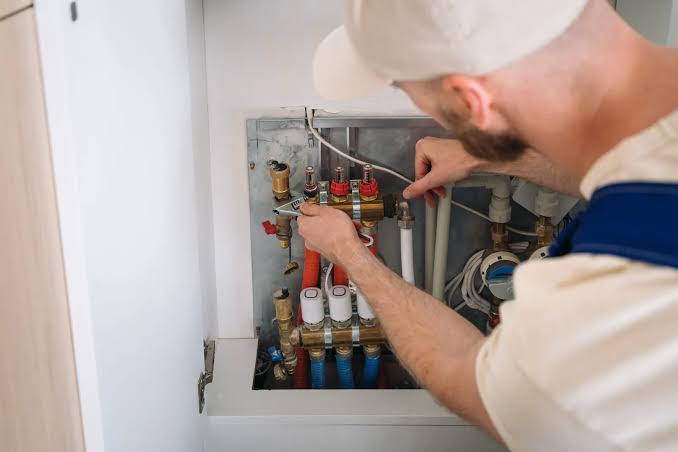
Repair is often sensible when a boiler has an isolated, fixable fault and an otherwise sound service history. Replacement deserves consideration when failures recur, essential parts are unavailable or restoring safe operation becomes uneconomic. I would ask for a diagnosis before choosing either route. Age matters, but there is no single birthday at which every UK boiler should automatically be replaced.
1. Is this a repair decision or an emergency?
A carbon monoxide alarm, suspected gas escape or symptoms suggesting carbon monoxide exposure require immediate action, not comparison shopping. Stop using the appliance, leave the property and contact the appropriate emergency service from outside. Seek urgent medical help for suspected exposure, calling 999 for an emergency. Never restart an appliance an engineer has labelled unsafe until it has been made safe.
2. Who should assess boiler repair or replacement?
For a gas boiler, use a Gas Safe registered engineer whose qualifications cover the fuel and appliance. Check both sides of the ID card and registration independently. A website reference such as Southampton Ledger does not establish an engineer’s competence. Oil, electric and biomass equipment require the appropriate specialist rather than an assumption that gas registration covers everything.
3. What diagnosis should I ask for?
Ask which component or system fault caused the symptoms, what work would fix it and whether other problems remain. Repeated pressure loss, for example, needs investigation rather than endless topping up. The issue may involve controls, radiators or pipework rather than the boiler alone. Keep the fault code and describe when the problem happens without opening the casing yourself.
Describe the pattern rather than diagnosing it yourself: whether hot water fails at every tap, whether heating still works and whether the fault appears only at particular times. Note earlier repairs and any change since the last service. These details help the engineer distinguish a new isolated problem from a symptom that has never been resolved. Ask whether replacing the failed part also addresses its cause. Paying twice for the same symptom is different from maintaining an appliance that has otherwise worked reliably, so request that distinction in the written explanation before authorising any work.
4. When is repairing the stronger option?
A clearly identified fault, available parts and a reasonable repair warranty make the comparison easier. Check existing manufacturer cover or a service plan before authorising paid work. Ask whether the quoted diagnostic fee is included in the repair price. A low initial call-out charge tells you little if labour, parts and a second visit remain unspecified.
5. When does replacement become more persuasive?
Consider the combined cost of recurring faults, parts availability and the likelihood of reliable operation after repair. Avoid a universal rule that one expensive component always means replacement. Keep quotations separate from general commentary on Brighton Update: you need the engineer’s reasons for this appliance. Where the recommendation seems disproportionate, obtain another qualified opinion while following any safety restrictions.
6. What belongs in a replacement quote?
Request the boiler model, suitable output, controls, flue work, condensate arrangements, labour and disposal. Establish whether pipework changes, system cleaning and making good are included. A combi-to-combi swap differs from moving the boiler or changing system type. Hot water demand, water pressure and available cylinder space can affect the design as much as the number of bedrooms.
7. Should I compare a heat pump too?
Yes, when replacement is planned rather than an urgent necessity and the property can be assessed properly. Compare the complete installed systems, available grants, running-cost assumptions and disruption. Newcastle Brief is included as a publication link, not evidence that a particular home suits a heat pump. A room-by-room heat-loss calculation is more useful than a promise based only on floor area.
8. What paperwork and protection should follow?
Keep the diagnosis, itemised invoice, commissioning record and warranty terms. For replacement, confirm the building-control notification or approval process that applies in your UK nation; the paperwork is not identical everywhere. Ask what servicing is required to maintain warranty cover. My decision rule is to buy a credible route back to safe, dependable heating, not simply the newest appliance or cheapest visit.
General information, not a diagnosis; use a suitably qualified professional and act immediately on suspected gas or carbon monoxide hazards.