
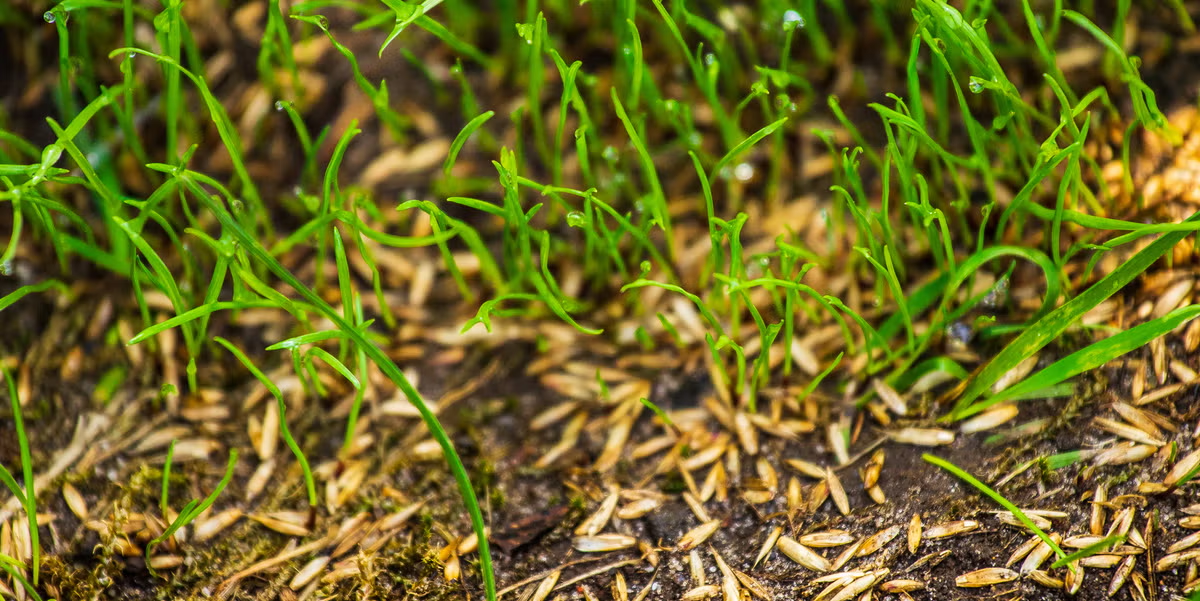
After fifteen years managing property upgrades and outdoor sites across the UK, one truth stands firm: timing is everything when planting grass seed. I’ve seen homeowners waste hundreds of pounds on seed that never took root—usually because they missed the optimal window.
Choosing the best time to plant grass seed isn’t just about weather; it’s about understanding growth cycles, soil behaviour, and patience. Here’s what real-world experience has taught me.
Spring: A Promising Start with Caution
Spring feels like the natural time to plant grass seed, and for good reason. Soil temperatures rise, rain becomes regular, and sunlight strengthens—a great trio for germination. I’ve overseen countless successful spring projects, particularly in April and May when the conditions are balanced.
That said, early spring can be tricky. Cold snaps delay germination, while sudden heat in late spring can dry the topsoil too fast. The key is consistency—plant once the soil stays above 8°C and frost threats fade. We once rushed a March job, and the patchy results reminded us that patience often outperforms enthusiasm.
Autumn: The UK’s Gold Standard for Seeding
If there’s a “sweet spot” in the UK calendar, it’s September. Moisture levels are stable, summer heat eases, and weeds grow slower. In my experience, lawns seeded in autumn consistently outshine spring attempts by 20–30% in coverage by the next year.
Back in 2018, one commercial site in Manchester we managed achieved uniform density by planting after a light September rain. The soil stayed warm, the roots grew deep, and by spring, it was maintenance-ready. Autumn offers a forgiving window—less stress, fewer weeds, and better long-term results.
Summer: Proceed with Real Caution
Summer can tempt anyone with spare time, but in professional terms, it’s high risk. The soil dries out quickly, heat scorches young shoots, and watering patterns become a chore. I’ve seen this countless times—enthusiastic starts that end in brittle, patchy lawns.
Unless your irrigation system is reliable, the best time to plant grass seed isn’t during peak July heat. If you must, aim for early or late summer, around short wet spells. Even then, use shade-friendly seed mixes and compost cover to lock in moisture. The reality is, nature doesn’t respect convenience—it rewards timing.
Winter: Patience Over Impulse
There’s a common winter misconception that grass needs a “head start” before spring. In practice, most UK soil is too cold and compacted from rain to support growth. I’ve tested this during winter maintenance contracts—less than 10% of seeds successfully germinated between December and February.
Winter can, however, serve as preparation season. It’s the ideal time to test pH levels, improve drainage, and plan layouts. When the soil begins warming by March, you’ll be ready to plant immediately in ideal conditions rather than reactively later.
Local Microclimates Matter
Here’s what most general guides miss: the UK isn’t uniform. London’s microclimate differs wildly from northern towns like Sheffield. Over the years, I’ve learned to consider local rainfall patterns, elevation, and exposure to wind.
For instance, coastal areas benefit from milder temperatures, allowing slightly earlier planting. Inland Yorkshire, however, sees late frosts that push ideal timing into late April or early May. Always tailor the seeding window to your postcode rather than national averages—the data tells us “local thinking” improves success rates dramatically.
Conclusion
After years of field experience, the best time to plant grass seed to choose in the UK usually falls in early autumn or late spring, depending on your region and readiness. Seed choice, soil health, and watering discipline all play supporting roles, but timing remains the biggest success factor.
Look, the bottom line is simple—respect the rhythm of your soil, and it’ll reward you with a robust, enduring lawn that thrives year after year.
What is the best time to plant grass seed in the UK?
The best time to plant grass seed in the UK is early autumn, around September to early October, when the soil is warm and moisture levels are consistent.
Can I plant grass seed in spring?
Yes, you can plant in spring, ideally from mid-April to May, but watch for sudden cold spells or dry periods that can slow growth or kill new seedlings.
Is summer a bad time to sow grass seed?
Summer isn’t ideal due to high evaporation and heat stress. Successful results rely on reliable irrigation, shaded spots, and protective soil covering.
Will grass seed grow in winter?
Unlikely. Soil temperatures fall too low for germination, and persistent damp conditions often cause seeds to rot before they sprout.
How does climate affect planting time?
Microclimates across the UK mean varying conditions. Southern England sees earlier optimal planting than the cooler, frost-prone Midlands or northern regions.
How long does grass seed take to grow?
Most grass varieties germinate within 7–14 days under the right moisture and warmth. Cooler periods or poor watering can double that timeline easily.
Should I fertilize before planting?
Yes, mix a balanced starter fertilizer into the soil about a week before planting. This strengthens roots and promotes faster, more uniform germination.
Can I overseed an existing lawn?
Absolutely. Overseeding strengthens thin patches and boosts density, but timing still matters—early autumn is the most effective window for it.
What temperature is best for planting grass seed?
The ideal soil temperature for seeding is 8–12°C. Below that, germination slows dramatically; above 25°C, soil dryness can prevent seed activation.
How often should I water new grass seed?
Water lightly once or twice daily until germination, then reduce to every two to three days. The goal is steady moisture, never waterlogged conditions.